

 IT
IT
 HU
HU
 AR
AR
General
Italy’s Quiet Superpower: Design Excellence That Deserves a Bigger Stage
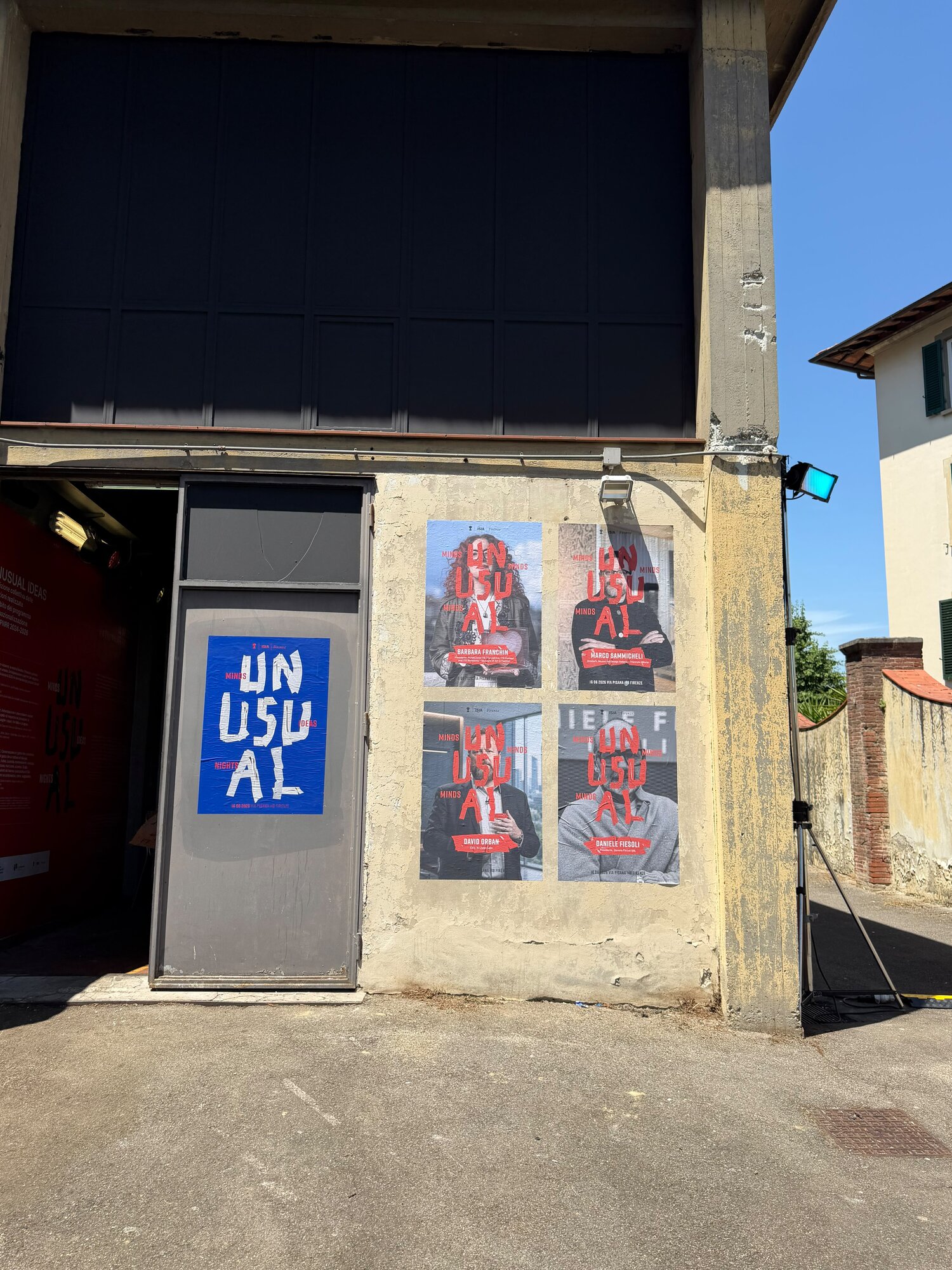
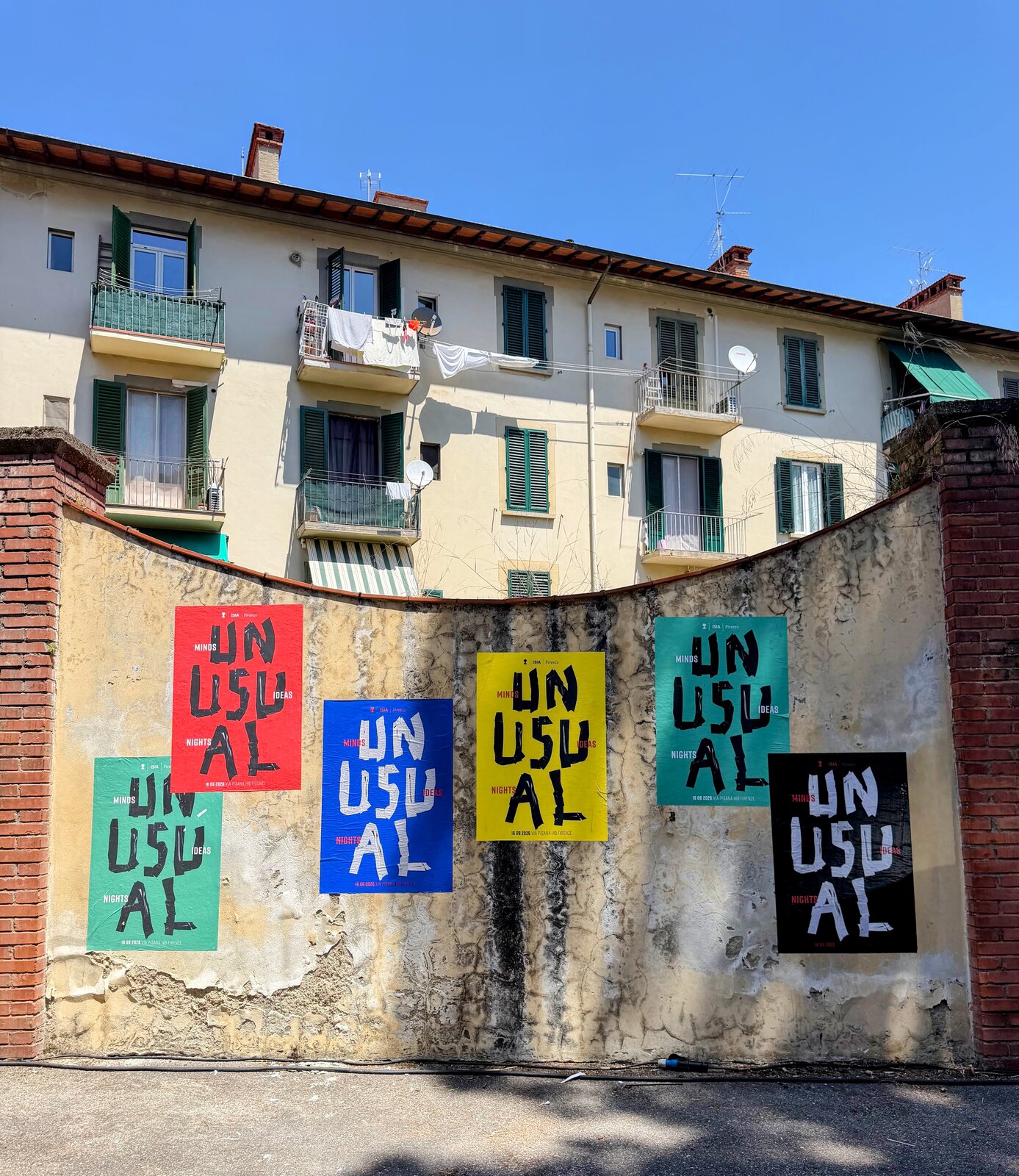
On June 16 I was a guest speaker at ISIA in Florence. Before the invitation arrived, I had never heard of it. That is a little embarrassing, because ISIA, the Istituto Superiore per le Industrie Artistiche, has been training designers since 1975 as part of Italy’s public higher-education system. It is exactly the kind of institution the world should know about and mostly doesn’t.
My path there started in Trieste, where Barbara Franchin of Fondazione ITS had invited me to an equally delightful event last year. One excellent encounter led to another, and that is its own small lesson: Italy’s design culture is a network of passionate people quietly doing world-class work, often outside the spotlight.
We all know the headline acts. Italian fashion and industrial design are recognized everywhere as benchmarks of taste, craft, and engineering. But design is no longer confined to fabric, furniture, and machines. It now shapes our digital lives, the devices in our pockets, the interfaces we touch thousands of times a day, the websites and apps that mediate how we work, shop, and connect. Good design has become the difference between technology that empowers and technology that frustrates. And Italy, with its deep culture of making beautiful things that work, is unusually well positioned for this moment.
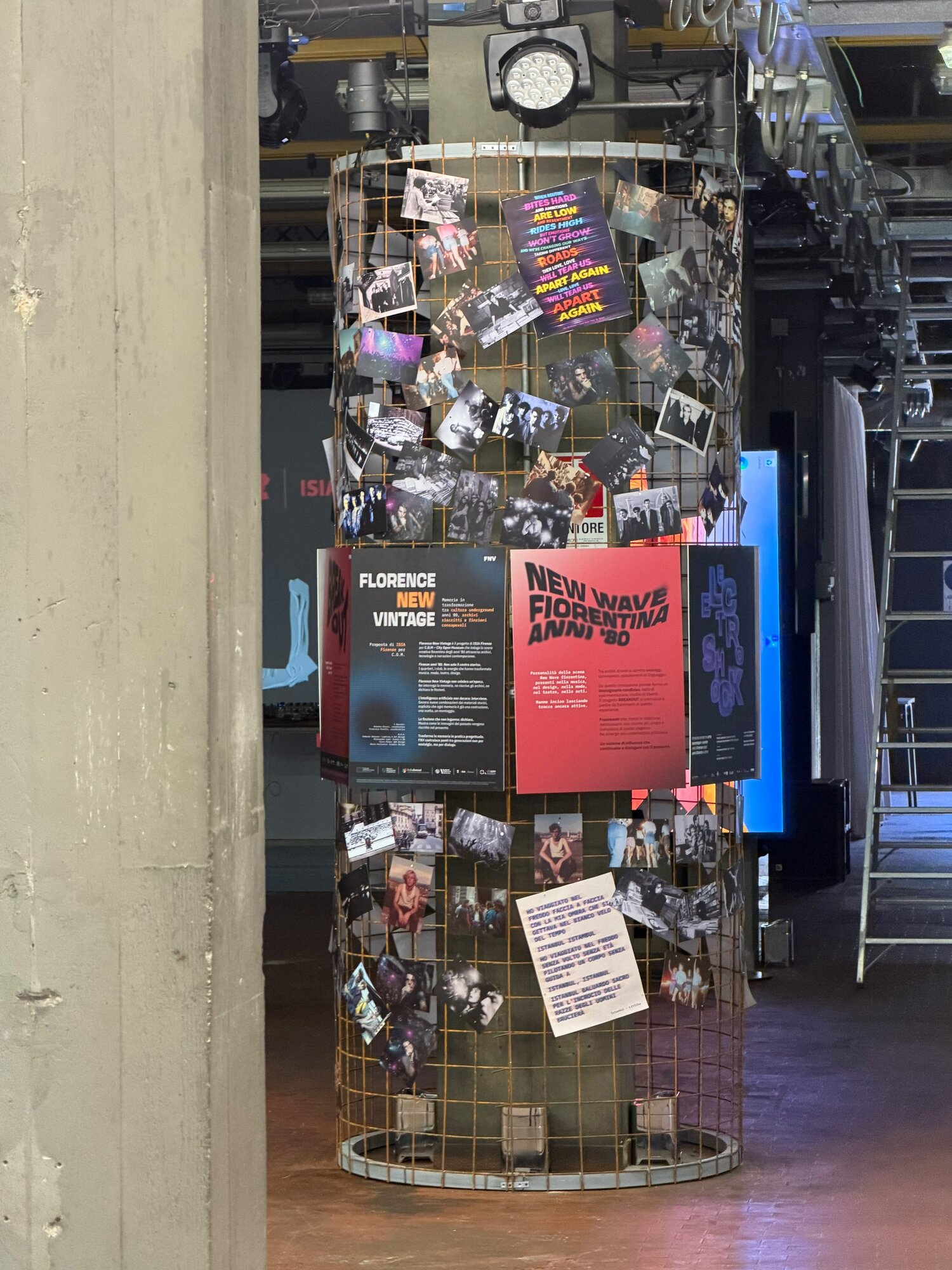
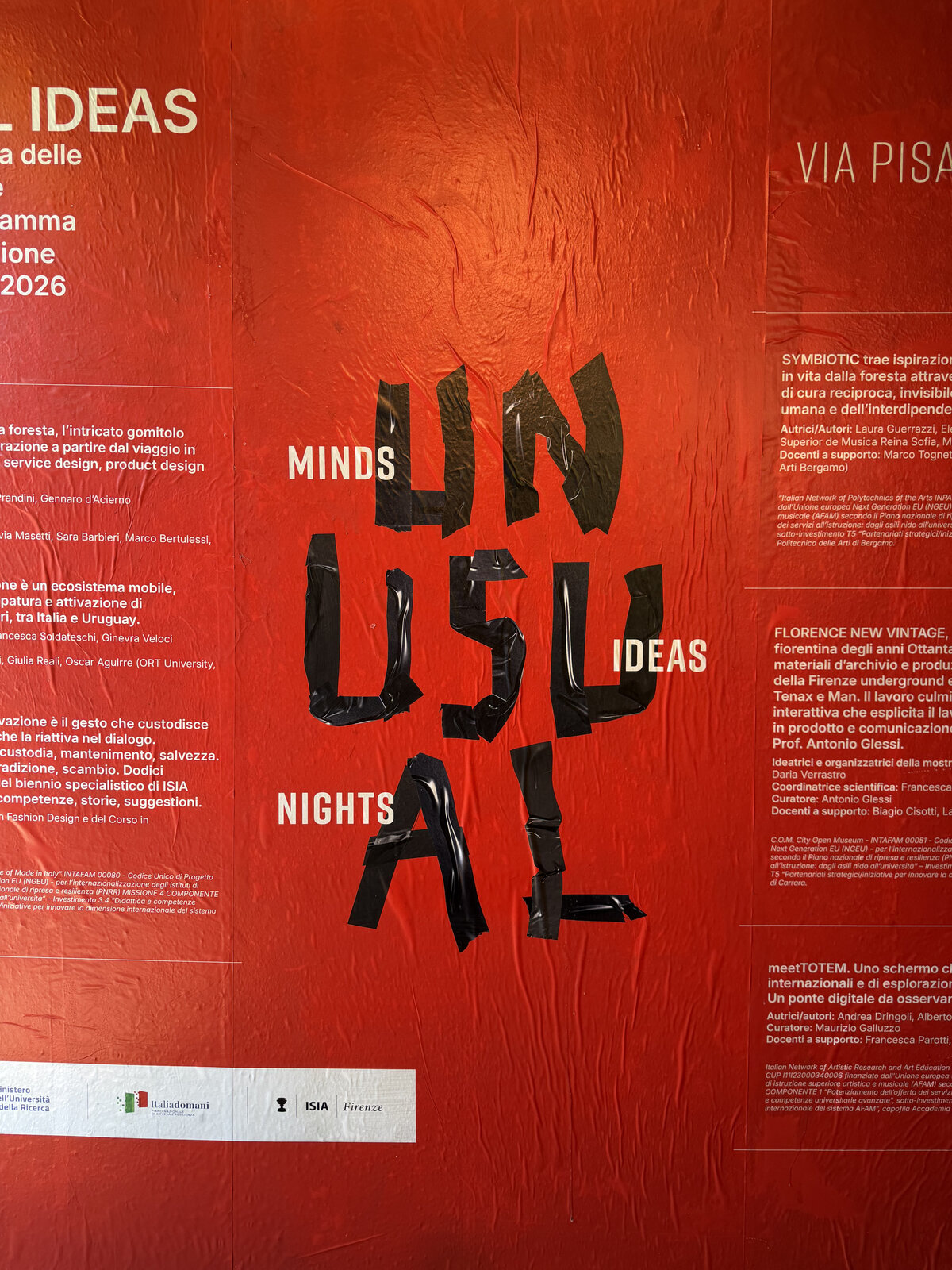
The ISIA event captured that spirit perfectly. It was hosted in a raw industrial space, the future headquarters of the institute, caught just before a deep renovation. Student work and invited talks filled a grungy, atmospheric setting that felt more alive than any polished conference hall. Free, generous, and beautifully executed.
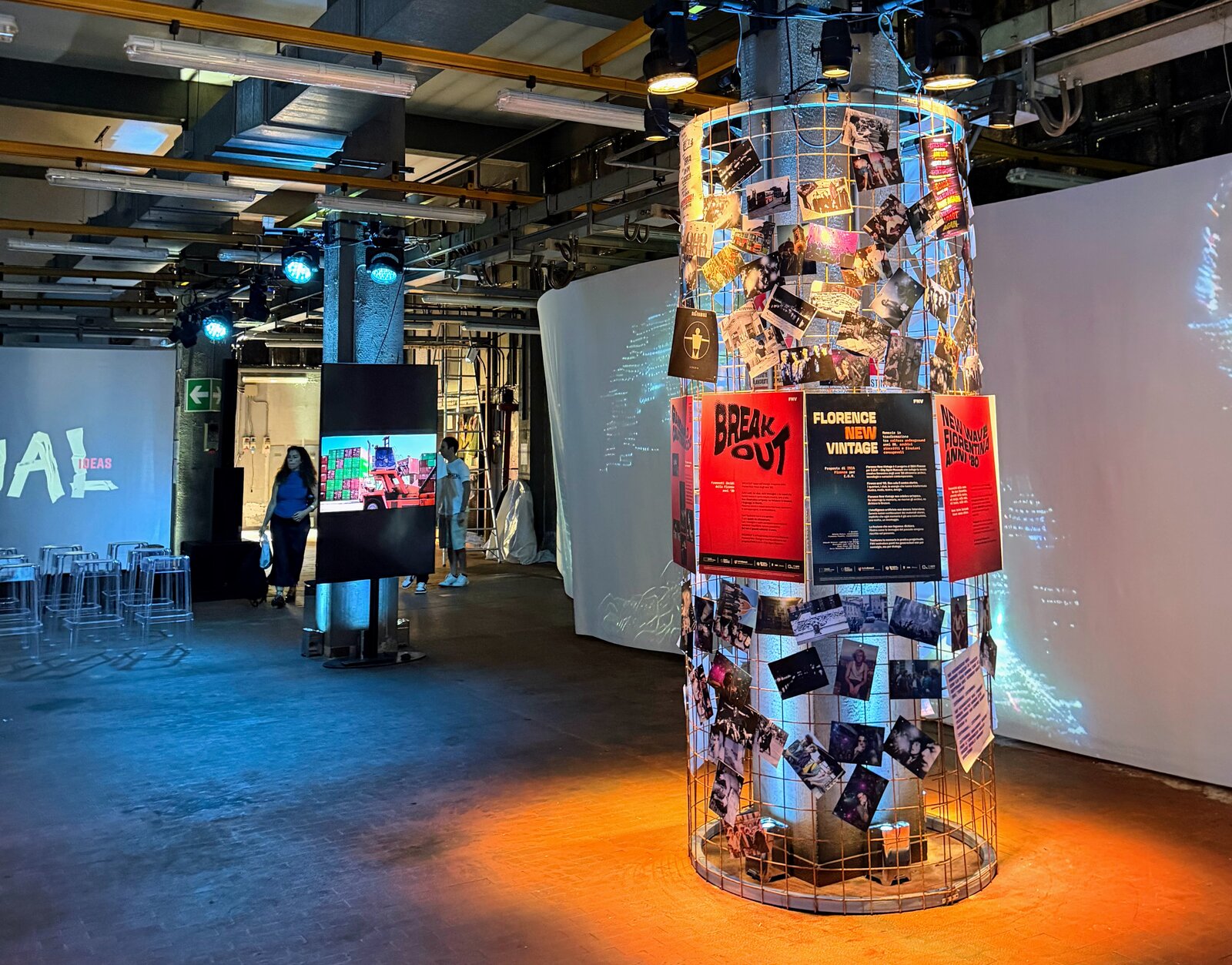
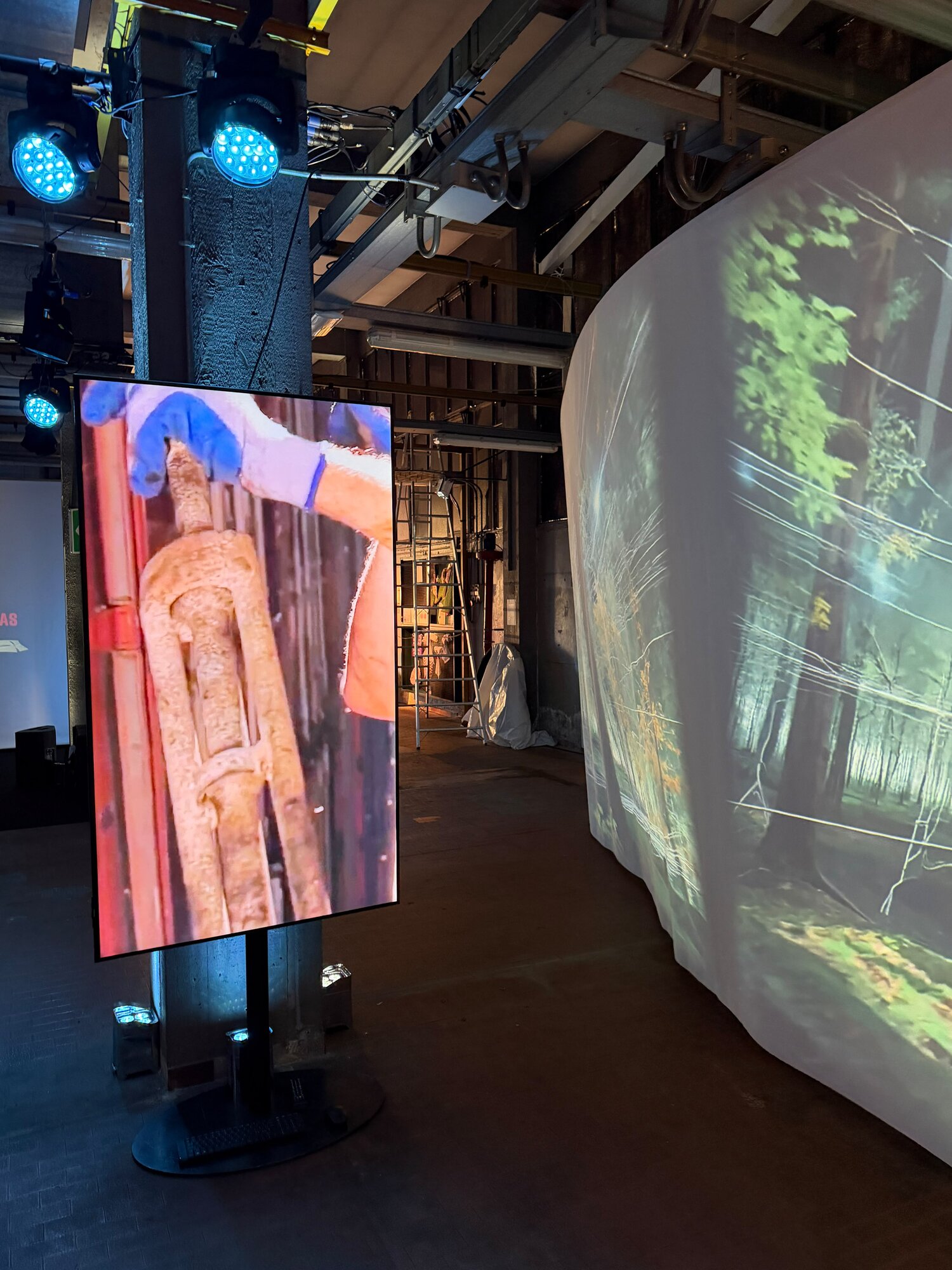
These are the punti di eccellenza — points of excellence — that deserve recognition not just in Italy but internationally. They are where the next generation of designers learns that aesthetics and function are not opposites but partners.
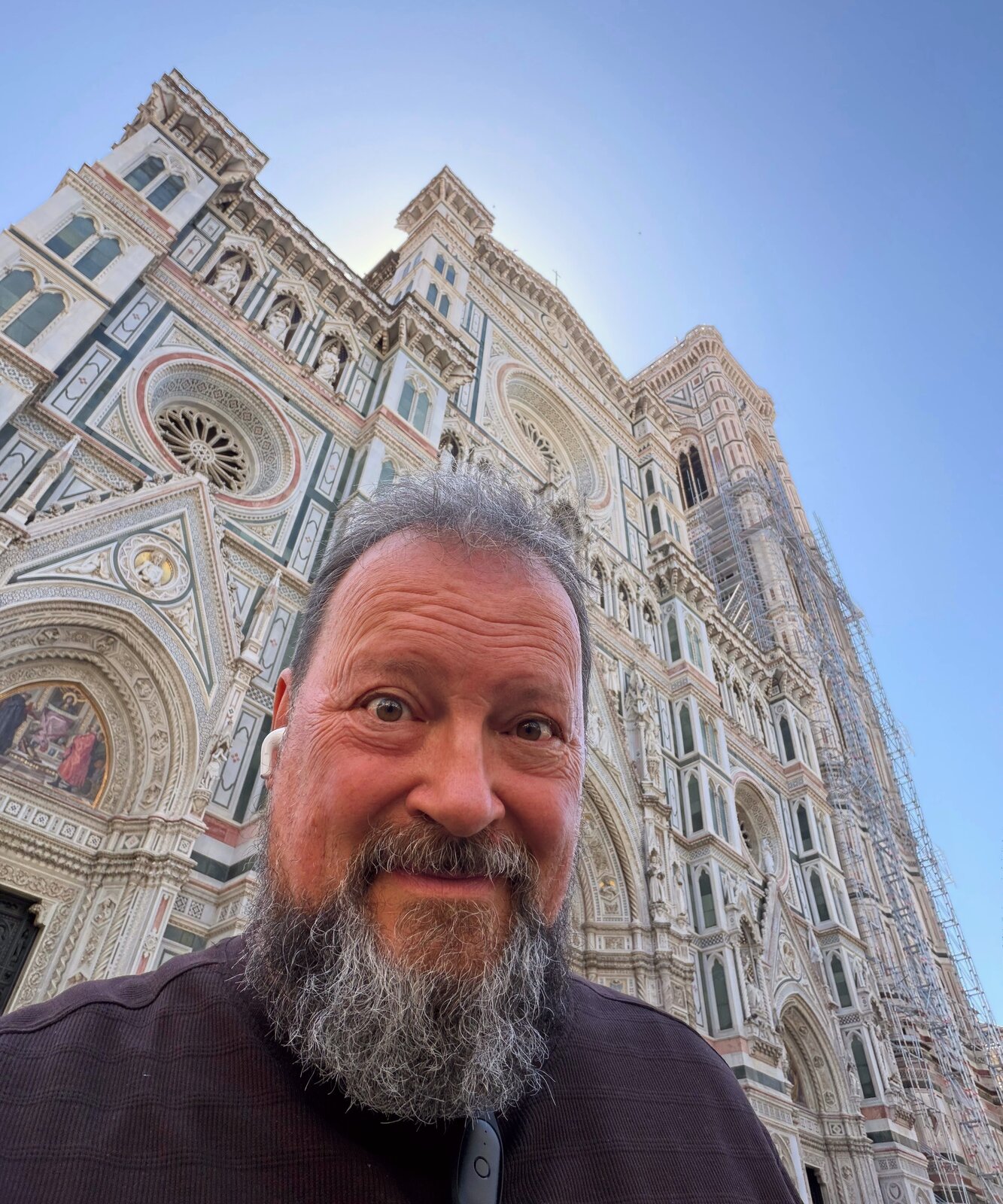
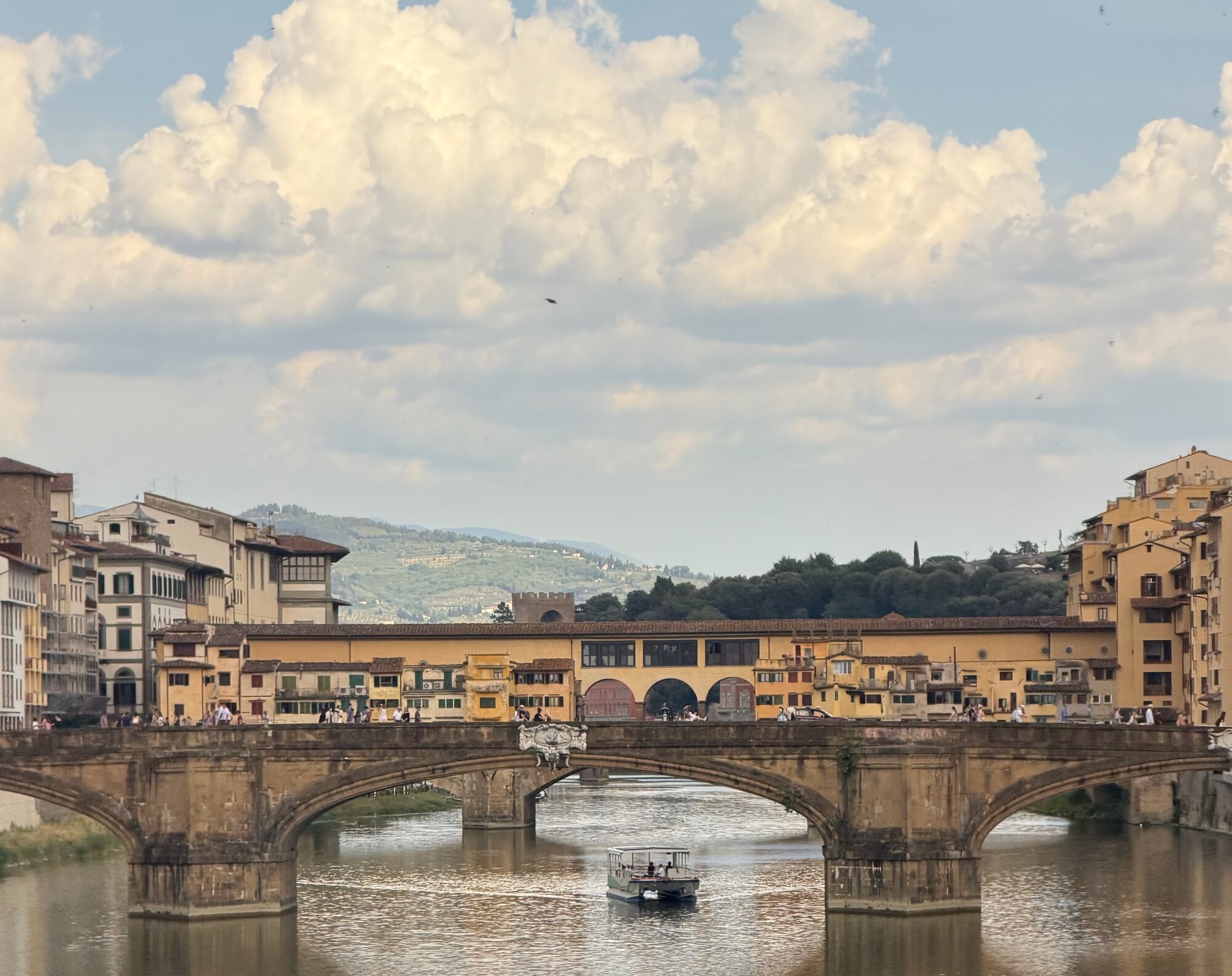
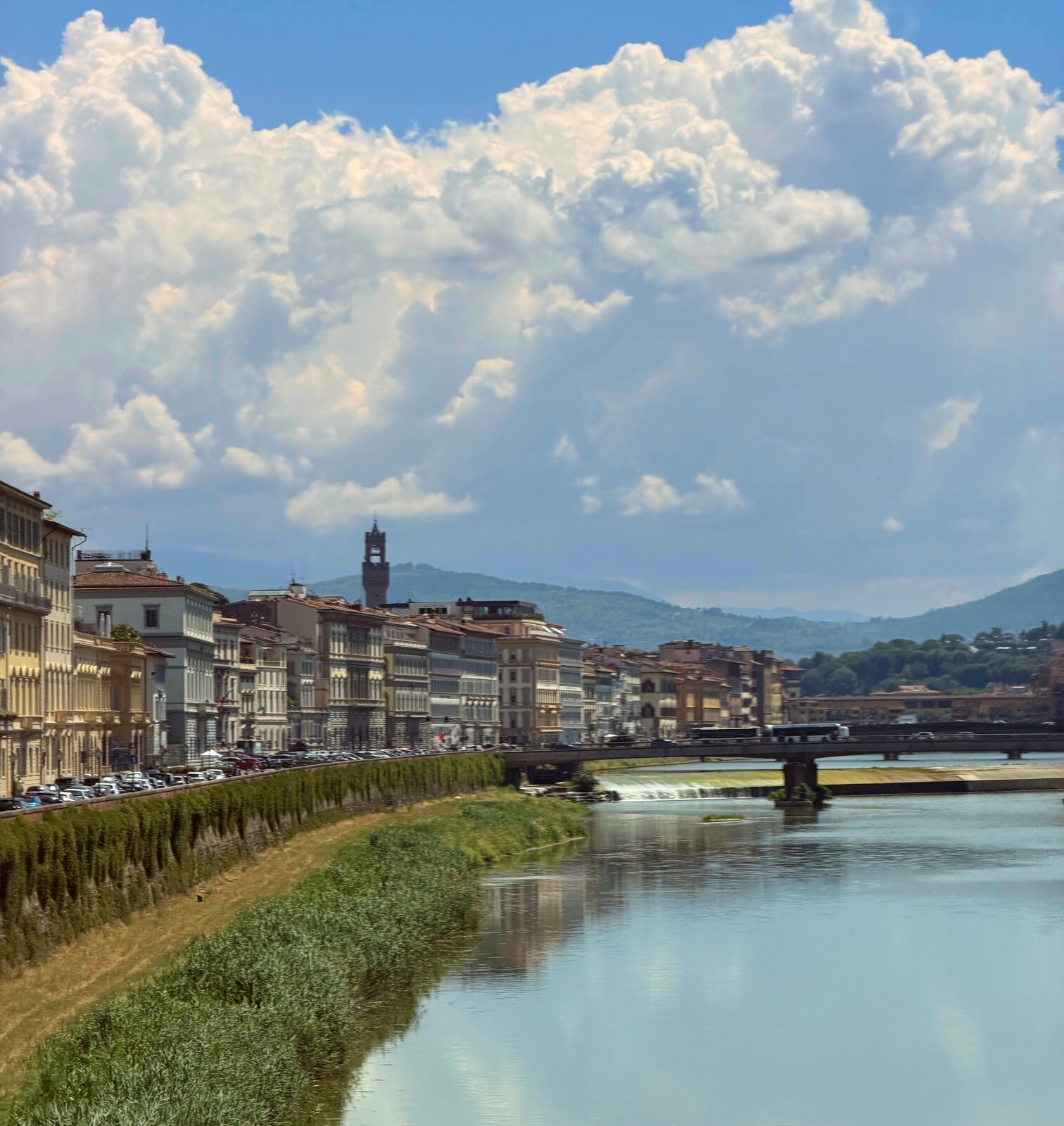
And yes: spending a few hours afterward in Florence, one of the most beautiful cities on Earth, did not hurt at all.
The event was conceived and artistically directed by Free Event, a company with offices in Italy and the UK, which developed the creative concept and the entire immersive experience within the space.